Interactive 3D
Built for the Web.
Flat screenshots do not do flagship products justice. I design and code real-time 3D product visualizers, scroll-driven exploded views, and lightweight WebGL scenes that run at a smooth 60 FPS on any phone or laptop.
From 3D Model
To Browser Code.
Zero handoff gap between 3D modeling and frontend engineering—every shader, camera rig, and scroll trigger is shipped in production code.
Precision 3D Modeling & Materials
We model clean, low-poly geometry in Blender with studio three-point lighting and tactile metallic, glass, or matte-clay shaders tailored to your brand.
Scroll & Touch Choreography
We synchronize mechanical exploded views, camera fly-throughs, and interactive hotspots directly to user scroll and touch gestures using GSAP.
60 FPS Production WebGL Code
Your 3D scene is delivered as a lightweight, self-contained Three.js component for React, Next.js, or Astro—lazy-loaded so it never hurts page speed.
Traditional Handoffs
vs. End-to-End Design.
Why product teams replace static agency slide decks with a unified UX, AI, and frontend prototype sprint.
Pre-Rendered Video Loops
- 25 MB+ MP4 background videos that stall mobile page loads and hurt LCP
- Zero interactivity—users cannot rotate, inspect, or trigger states
- Blurry compression artifacts on Retina and 4K displays
- Requires separate 3D studio and frontend agency with weeks of friction
Real-Time WebGL & Three.js
- Lightweight procedural geometry and Draco-compressed GLBs under 2 MB
- Full 360° touch manipulation, exploded views, and real-time shader states
- Crisp native device-pixel-ratio rendering across iOS, Android, and desktop
- Designed in Blender and coded in Three.js/TypeScript by a single architect
Selected Work &
Case Studies.
Real production systems and interactive builds shipped for enterprise banks and high-growth teams.

Private Banking Luxury IoCard 3D Reveal
Interactive WebGL titanium card visualizer and bespoke onboarding flow that exceeded VIP subscription quotas by 40% in Q1.
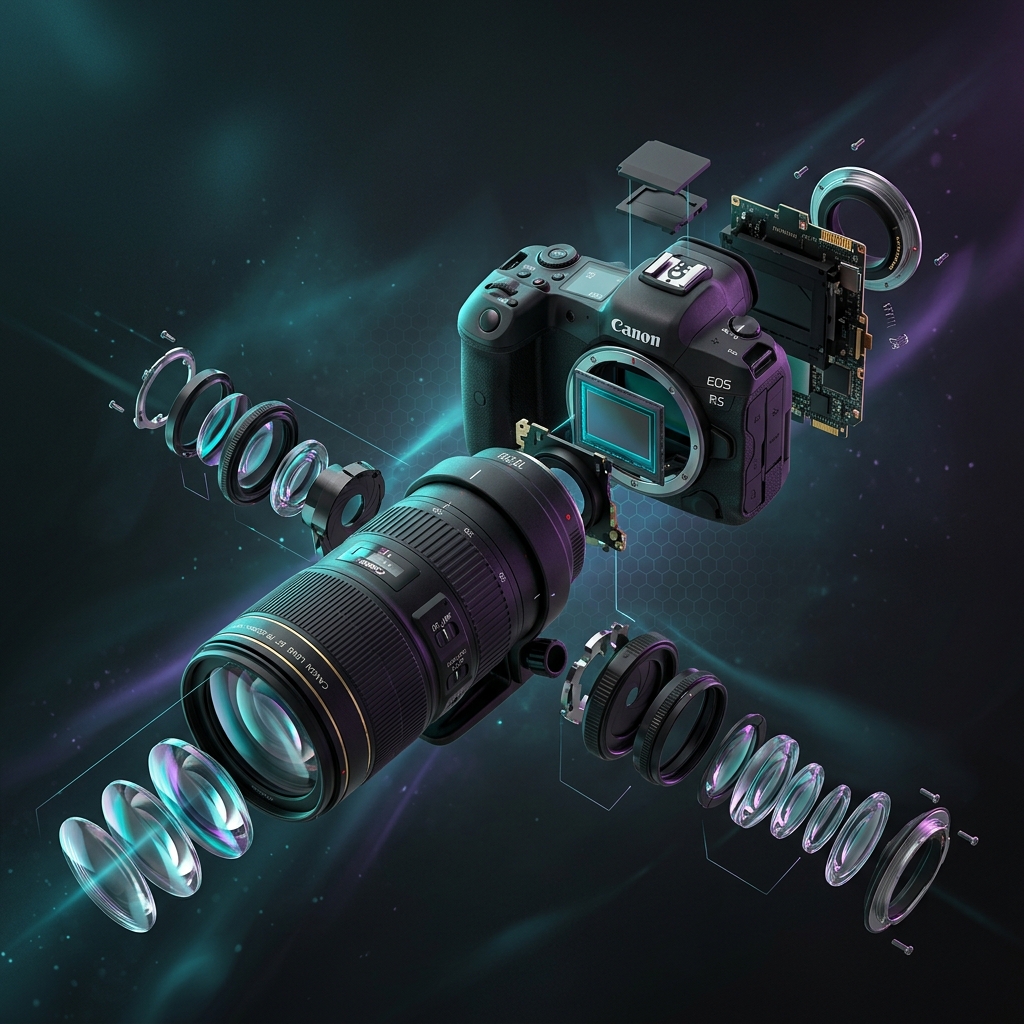
Procedural 3D Nikon D850 Camera Exploder
Scroll-scrubbed 3D DSLR and multi-element optical lens explosion rendered in real-time WebGL.

3D Miniature Moss Island Diorama
Interactive floating moss island and conifer forest built with procedural overhangs, granite cliffs, and click-recoil physics.
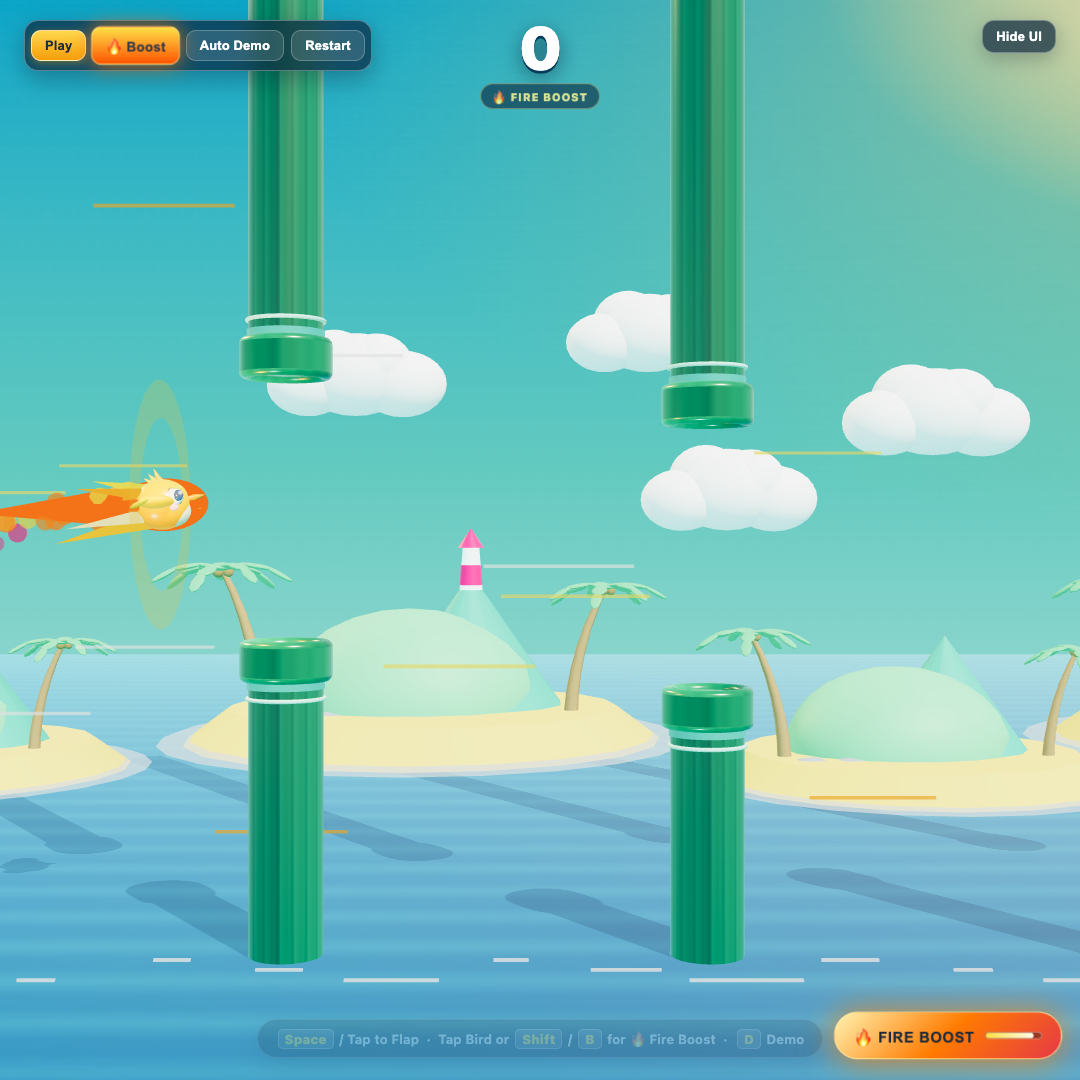
Sunny Wings 3D Coastal Flyer
Playable 3D coastal aircraft experience featuring AI auto-pilot, procedural terrain, and interactive Fire Boost physics.
Your questions
answered.
Will 3D WebGL slow down our website or hurt Core Web Vitals / SEO?
+No. We lazy-initialize WebGL canvases off the critical rendering path, cap devicePixelRatio at 2, use procedural meshes or Draco-compressed GLBs, and pause requestAnimationFrame loops when offscreen so your LCP and SEO scores remain fast.
Do we need our own 3D CAD models, or can you model them from scratch?
+Either works. If you have STEP/OBJ/FBX files, I clean, retopologize, and bake them for real-time WebGL. If you are starting from a concept, I model the assets directly in Blender 5 and procedural Three.js.
How is the 3D scene handed over to our engineering team?
+You receive clean, modular TypeScript / React / Astro components with zero black-box dependencies, complete with dispose() memory cleanup and responsive camera breakpoints.

Have a complex product challenge?
Book a discovery call.
Review your current customer journey, diagnose friction points, and scope your next high-converting sprint.